What Is a Low Country Boil? History, Ingredients & Other Names
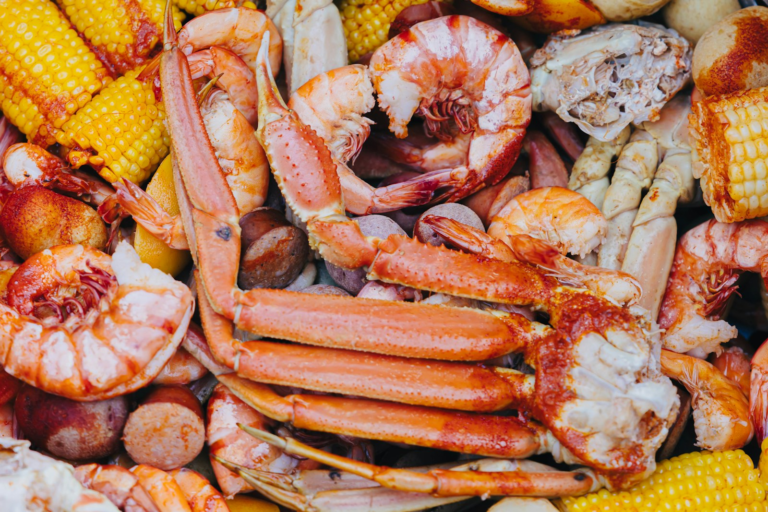
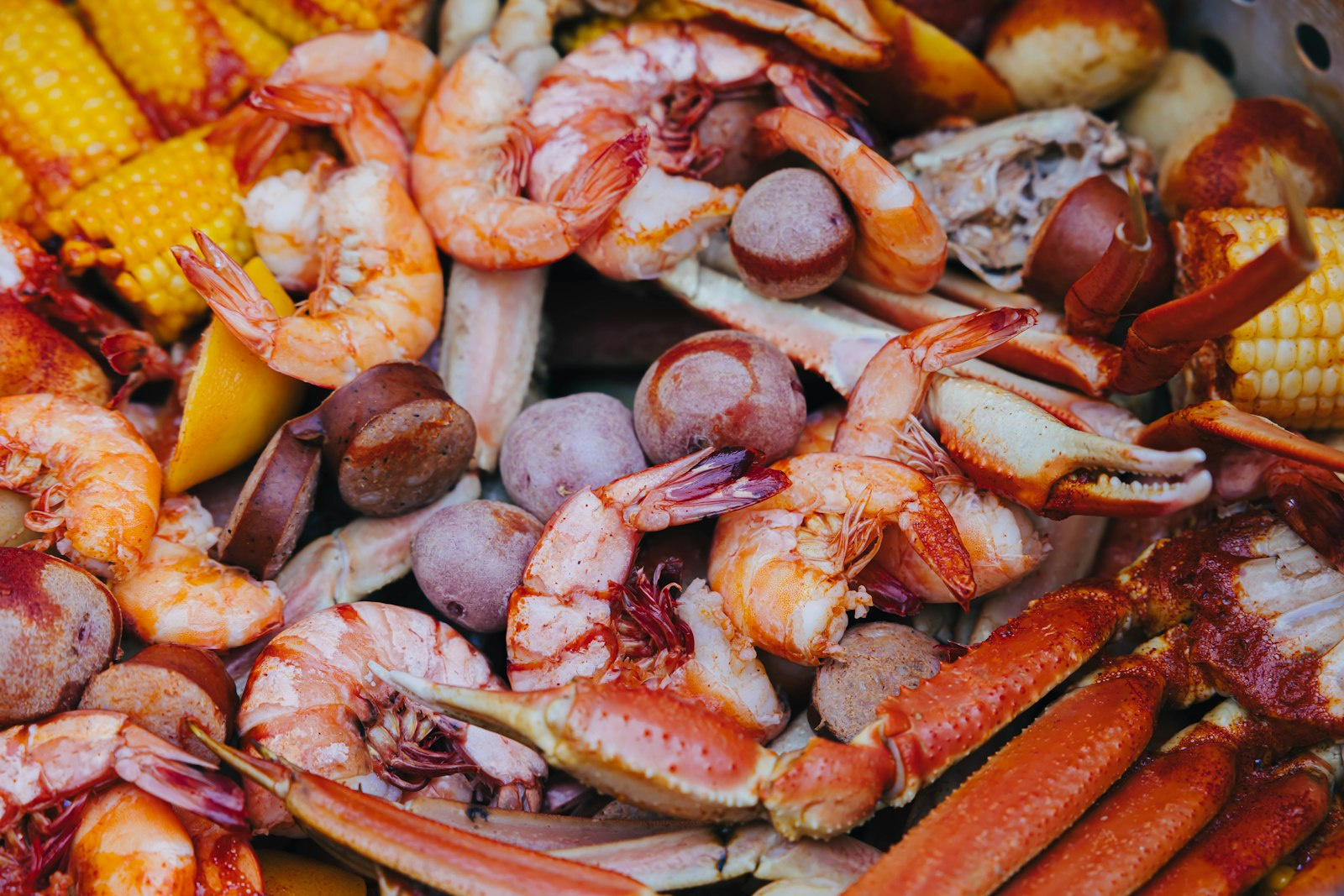
A low country boil is a one-pot seafood feast from the coast of South Carolina and Georgia. Shrimp, smoked sausage, corn on the cob and small red potatoes are boiled together in a big pot of seasoned water, drained, and dumped onto a newspaper-covered table for everyone to dig in with their hands. It is less a recipe than an event: when someone in Charleston says they are “having a low country boil,” they mean a party.
Here is what goes into one, where it came from, and why it goes by so many different names.
What Is a Low Country Boil, in Short?
- What it is: a seafood boil built around shrimp, sausage, corn and potatoes
- Where it is from: the Lowcountry, the coastal plain and sea islands of South Carolina and Georgia
- How it is served: drained and poured onto a table lined with newspaper or butcher paper, eaten family-style
- Other names: Frogmore stew, Beaufort stew, Beaufort boil, tidewater boil
- Best for: feeding a crowd at the beach, on a dock, or in the backyard
Why Is It Called a Low Country Boil?
The name comes from the region. “The Lowcountry” is what South Carolinians call the low-lying coast and sea islands around Charleston, Beaufort and Hilton Head, and the term stretches down into coastal Georgia around Savannah. Shrimp have always been the backbone of the local economy and table here, so a big pot of boiled shrimp with whatever else was on hand became the region’s signature meal.
You will see it spelled both ways. Lowcountry (one word) is the traditional spelling of the region, while most people searching for the dish type low country boil as two words. Same thing either way.
Frogmore Stew, Beaufort Stew and Other Names
Depending on where you are, the same pot of food goes by different names:
- Frogmore stew: the most famous alternate name, especially around Beaufort and St. Helena Island. There are no frogs in it, and it is not really a stew.
- Beaufort stew / Beaufort boil: named for the town of Beaufort, about an hour and a half south of Charleston.
- Tidewater boil: an older, less common name.
- Low country boil: the name most people use today, especially around Charleston.
Where Did the Low Country Boil Come From?
Like a lot of beloved regional dishes, the low country boil has more than one origin story.
The Richard Gay story (1960s)
The best-known version credits Richard Gay, a shrimper whose family ran the Gay Fish Company on St. Helena Island near Beaufort. As the story goes, he was serving in the National Guard in the 1960s and needed to feed a large group of fellow guardsmen. He threw together his family’s seafood boil with what was available, and his unit, teasing him about his hometown of Frogmore, dubbed it “Frogmore stew.” The name stuck. The dish got a wider audience in the 1980s when it appeared on the cover of Gourmet magazine.
The older roots
Many historians and cooks point out that the 1960s story explains the name more than the dish itself. Boiling the day’s catch in one pot with corn and potatoes is an old coastal tradition, and the Lowcountry’s cooking was shaped heavily by the Gullah Geechee people, descendants of enslaved West and Central Africans who lived on these sea islands. One-pot seafood meals shared outdoors fit squarely into that tradition, long before anyone gave this one a catchy name.
When the post office later dropped “Frogmore” as a mailing address, the more general name “low country boil” took over, and that is what most people call it today.
What’s in a Low Country Boil?
The classic version has just a handful of ingredients:
- Shrimp: the star. Locals swear by fresh, wild-caught shrimp, usually cooked shell-on so they stay tender and pick up flavor.
- Smoked sausage: kielbasa or andouille, cut into chunks. It seasons the whole pot.
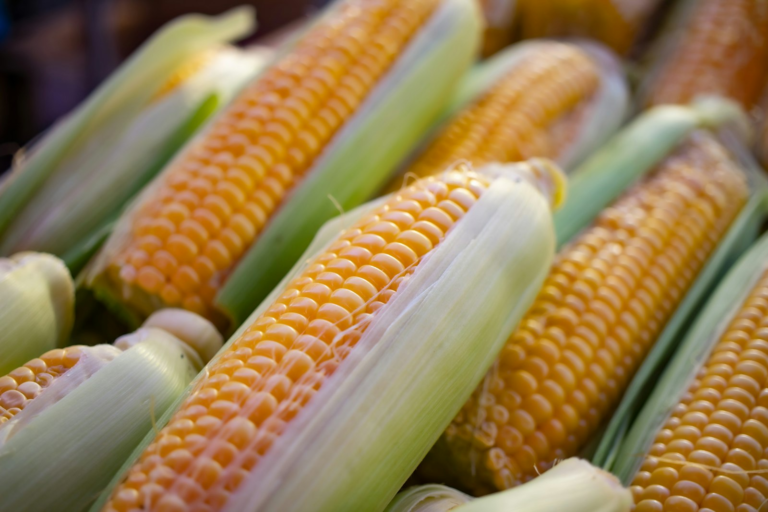
- Corn on the cob: fresh sweet corn, broken into halves or thirds.
- Small red potatoes: they hold their shape in the boil better than starchy potatoes.
- Seafood seasoning: Old Bay is the most common choice, though plenty of people use Zatarain’s crab boil or their own blend.
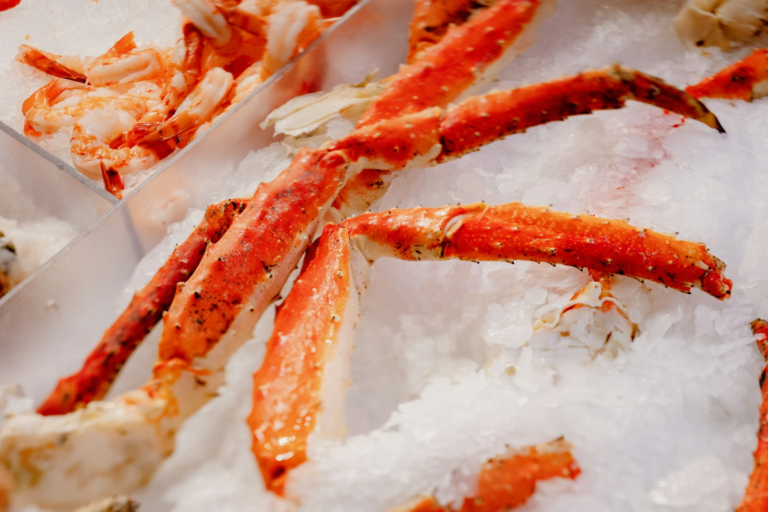
- Extras (optional): onions, lemons, garlic, and sometimes blue crabs or crab legs.
The order matters, because everything cooks at a different speed: potatoes go in first, then sausage and corn, and the shrimp go in last for just a few minutes so they don’t turn rubbery.
How Is a Low Country Boil Served?
This is the fun part. Instead of plating anything, the whole pot is drained and poured straight onto a table covered in newspaper or brown butcher paper. Guests stand around the table and help themselves, peeling shrimp by hand, with cocktail sauce, melted butter, hot sauce and lemon wedges set out along the table. When dinner is done, you roll up the paper with the shells and cobs inside and toss it. No dishes.
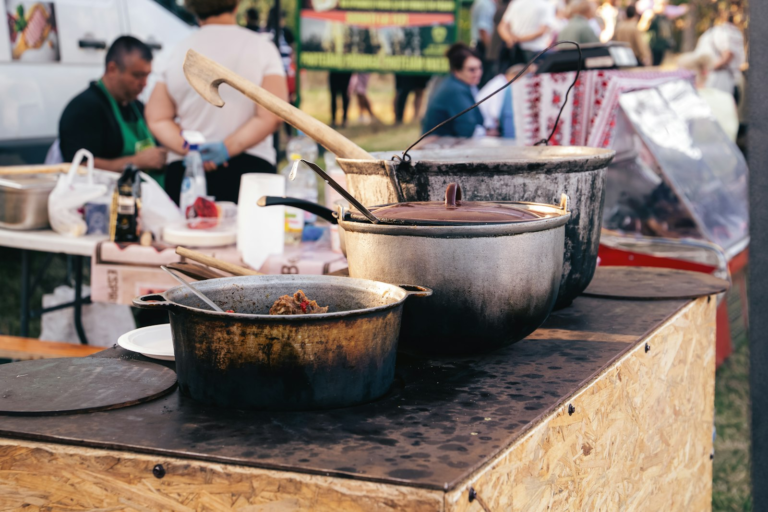
Because it scales up so easily, a low country boil is the go-to meal for beach rentals, family reunions, oyster-season parties and backyard gatherings, and it is usually cooked outdoors in a big pot over a propane burner.
Low Country Boil vs. Cajun Seafood Boil
The two are close cousins, but there are a few differences:
- Seafood: a low country boil centers on shrimp. A Louisiana or Cajun boil is often built around crawfish, along with crab and shrimp.
- Heat: low country boils tend to be milder and more savory, often seasoned with Old Bay. Cajun boils lean on hotter Cajun or Creole spice blends.
- Region: one comes from the South Carolina and Georgia coast, the other from Louisiana and the Gulf Coast.
Frequently Asked Questions
Is Frogmore stew actually a stew?
No. Despite the name, it is boiled and drained, not served in a broth. And there are no frogs in it. The name comes from Frogmore, a community on St. Helena Island, South Carolina.
What’s the difference between a low country boil and Frogmore stew?
Nothing, really. They are two names for the same dish. Frogmore stew is the older name used around Beaufort; low country boil is the more common name today.
When is low country boil season?
Any time, but it is most popular from late spring through fall, when local shrimp are running and fresh corn is easy to find.
How much should I make per person?
A common rule of thumb is about a half pound of shrimp per person, plus a couple of potatoes, a piece or two of corn and a few ounces of sausage each. We will cover exact quantities for different crowd sizes in our party planning guide.
The Bottom Line
A low country boil is shrimp, sausage, corn and potatoes boiled in one pot and shared at a paper-covered table. It is simple, cheap to scale, and about as Lowcountry as food gets. Whether you call it a low country boil, Frogmore stew or Beaufort stew, it is meant to be made for a crowd and eaten outside.