What Is Shrimp and Grits? The Charleston Story Behind the Dish
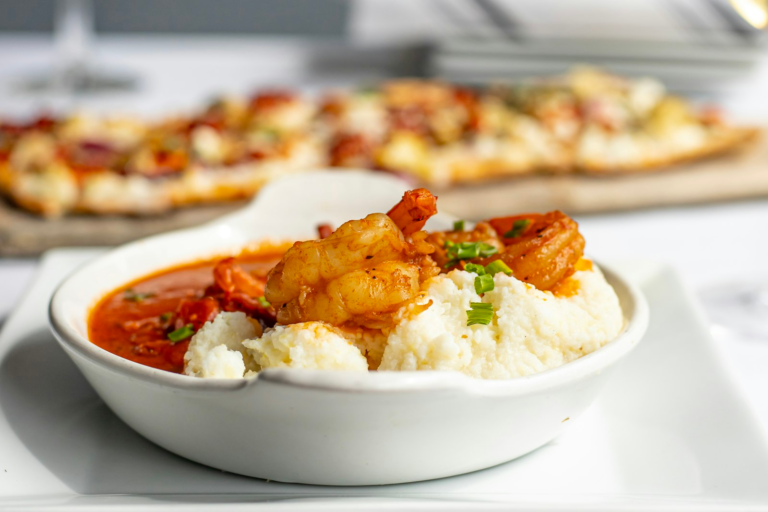
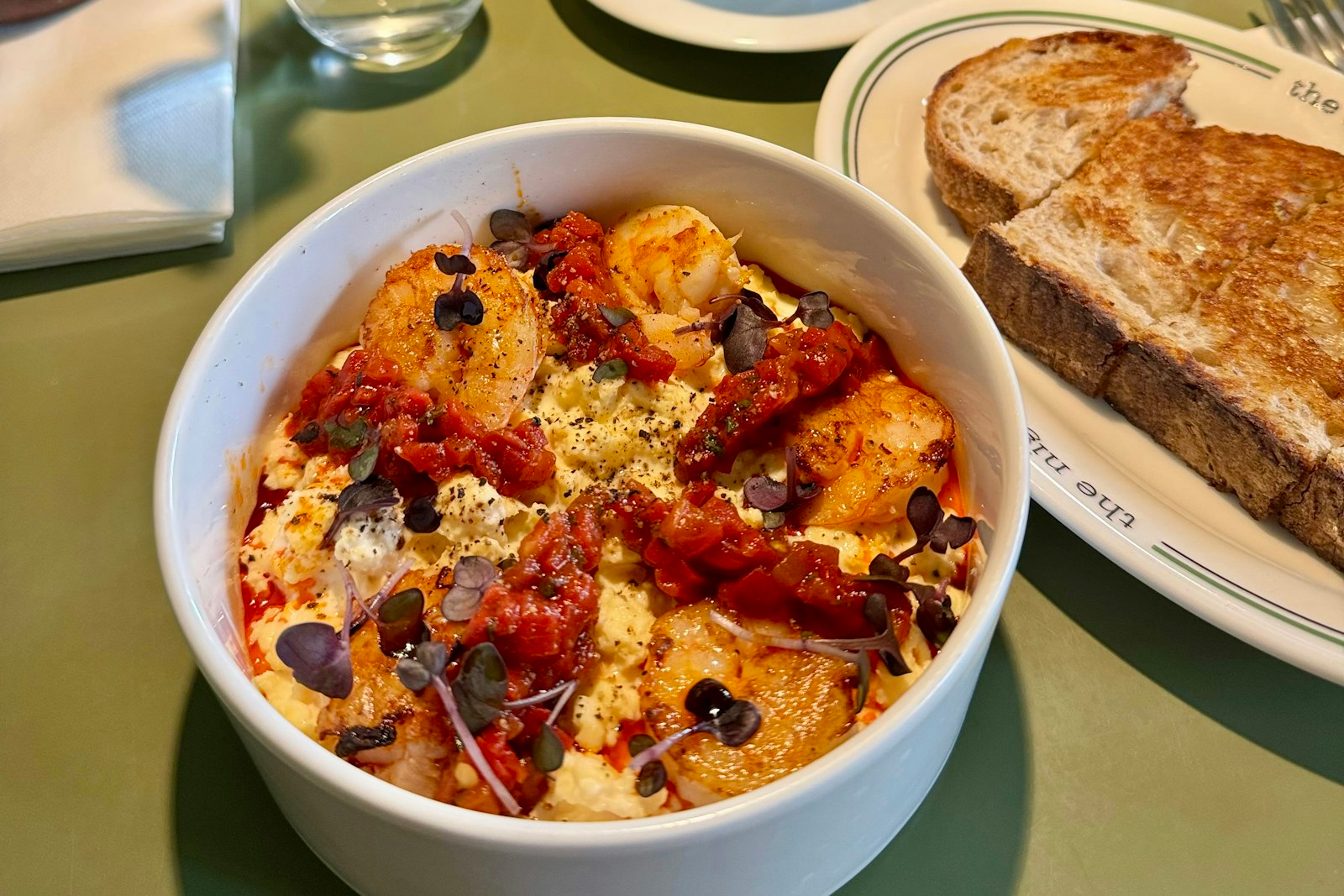
Shrimp and grits is exactly what it sounds like: shrimp cooked in butter or a savory sauce, spooned over a bowl of creamy grits. Today it’s on brunch and dinner menus all over the country, often dressed up with bacon, cheese, gravy or spice. But it started as something much simpler: a breakfast eaten in Charleston homes during shrimp season.
Shrimp and Grits in Short
- What it is: sautéed or simmered shrimp served over grits
- Where it’s from: the South Carolina Lowcountry, especially Charleston
- Originally: a breakfast dish, often called “breakfast shrimp” or “shrimp and hominy”
- Today: served at any meal, in dozens of styles
What Are Grits?
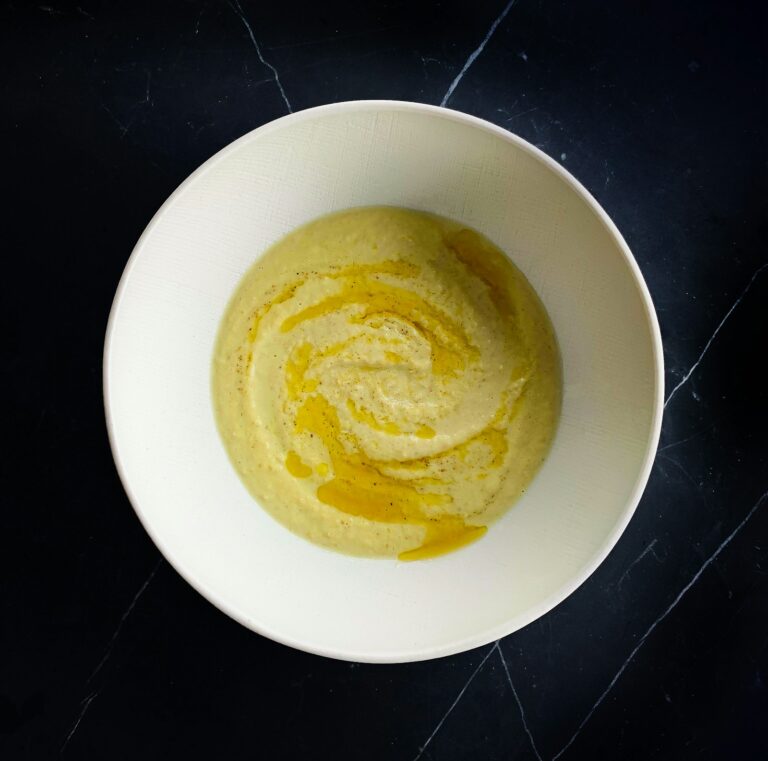
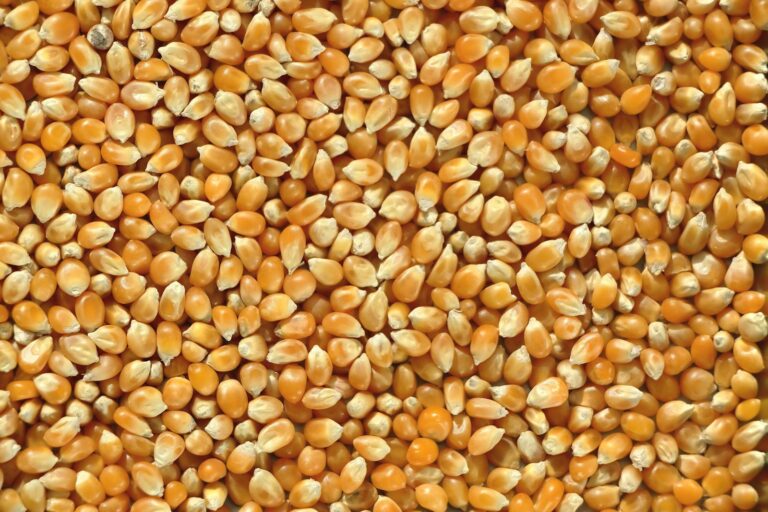
Grits are ground dried corn, cooked slowly in water or milk until thick and creamy, a little like a savory porridge. In Charleston, grits were traditionally called “hominy,” which is why old recipes talk about “shrimp and hominy.” Good stone-ground grits have a nutty corn flavor and a slightly coarse texture that holds up to a buttery shrimp topping. (We break down the different types in our guide to the best grits to buy.)
A Charleston Breakfast
For generations, shrimp were cheap and plentiful along the Lowcountry coast, and grits were on almost every Southern table. Putting the two together was natural. Fishermen, home cooks and Gullah Geechee families along the sea islands all ate some version of shrimp over grits, long before anyone wrote down a recipe.
The earliest known printed recipe appeared in Two Hundred Years of Charleston Cooking, a cookbook compiled by Blanche S. Rhett and published in 1930. Its recipe for “shrimps with hominy” was simple: shrimp cooked in butter, served with hot grits. The book described it as a breakfast dish served in nearly every Charleston home during shrimp season.
Later Charleston cookbooks, including the well-known Charleston Receipts from the 1950s, kept the dish going, and it slowly picked up more seasoning along the way.
How Shrimp and Grits Went National
For most of the 20th century, shrimp and grits was a local secret. That changed in the 1980s thanks to Bill Neal, the chef of Crook’s Corner in Chapel Hill, North Carolina. Neal, who had spent time in Charleston, put shrimp and grits on his dinner menu, with cheese grits, bacon, mushrooms and scallions.
In 1985, New York Times food writer Craig Claiborne wrote about Neal and his cooking, and the dish took off. Within a few years, shrimp and grits was showing up on restaurant menus across the South, and eventually everywhere. Back in Charleston, chefs like Robert Stehling, who had cooked with Neal, helped bring the restaurant version home, and today it’s on more Charleston menus than almost any other dish.
What’s in Shrimp and Grits?
There’s no single recipe, but most versions include:
- Grits: ideally stone-ground, cooked slowly with butter, and sometimes cream or cheese
- Shrimp: fresh local shrimp, peeled and quickly sautéed
- Fat and flavor: butter, bacon, or sausage
- Aromatics: garlic, onions, scallions, sometimes peppers or mushrooms
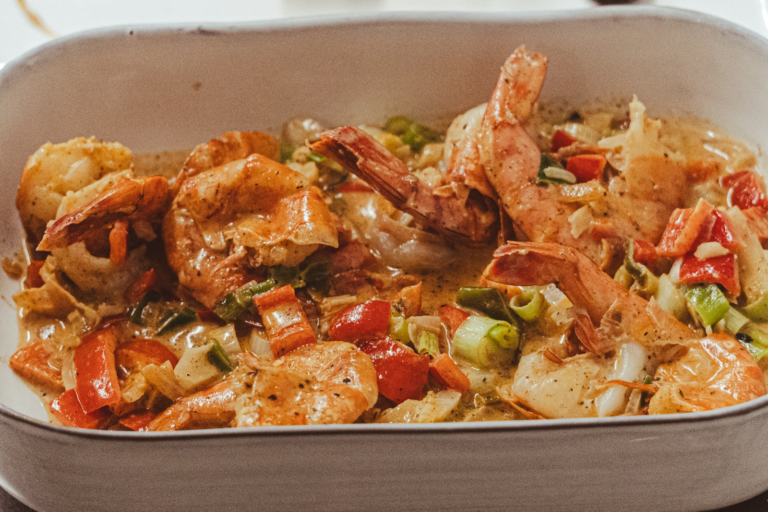
- Sauce (optional): a pan gravy, a tomato-based sauce, or a squeeze of lemon
See our guide to shrimp and grits styles for how the Charleston, Cajun and New Orleans versions differ.
Frequently Asked Questions
Is shrimp and grits breakfast or dinner?
Both. It began as a breakfast dish in Charleston and is now just as common at brunch and dinner.
Where did shrimp and grits originate?
The South Carolina Lowcountry, with Charleston as its best-known home. The earliest known printed recipe is from a 1930 Charleston cookbook.
What’s the difference between grits and polenta?
Both are ground corn. Grits are traditionally made from white or yellow dent corn and cooked until creamy, while polenta is usually made from yellow flint corn and can be served soft or firm. They can often be used interchangeably.