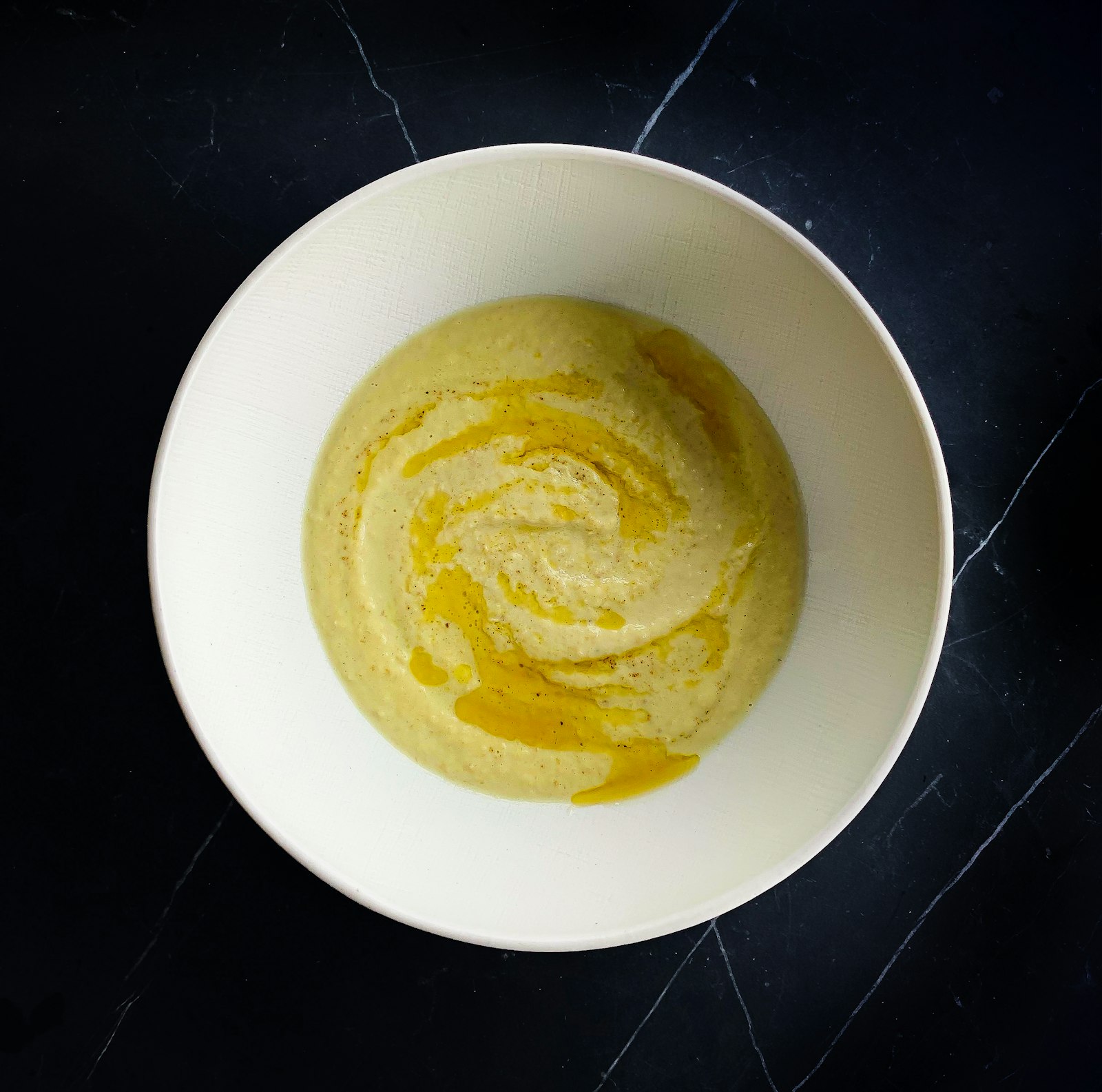
Cheese Grits 101: What They Are and the Best Cheese to Use
Cheese grits are about as Southern as breakfast gets: a pot of creamy grits with cheese stirred in at the end until it melts. They show up next to eggs at breakfast, under shrimp at dinner, and in a baking dish at every holiday potluck. Here’s what cheese grits are, which cheese to use, and which grits make the best base.
What Are Cheese Grits?
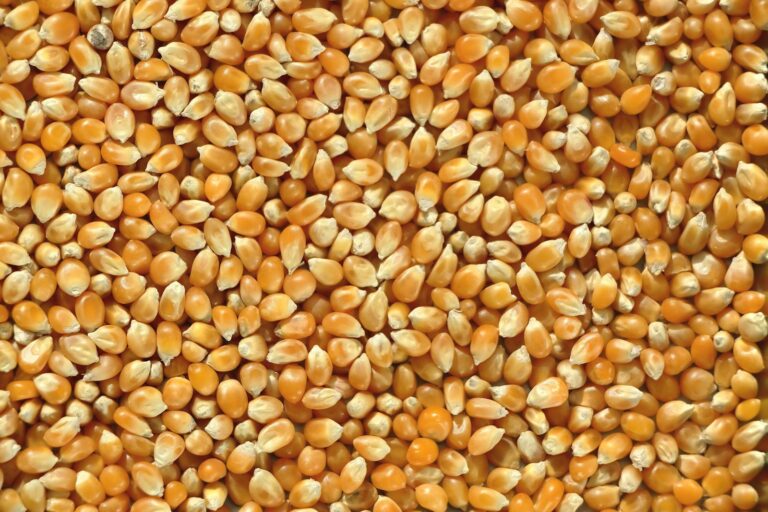
Grits are dried corn ground into coarse bits and simmered in water, milk, or broth until thick and creamy. Corn ground and cooked this way goes back to Native American cooking, and grits have been a staple across the South ever since, especially in the Lowcountry.
Cheese grits are simply grits with cheese added. The cheese goes in after the grits are cooked, usually off the heat, along with a little butter. It melts into the grits and makes them richer, saltier, and creamier. That’s the whole idea: no special technique, just good grits and good cheese.
Which Cheese Is Best for Grits?
Almost any cheese that melts well works. These are the most popular choices:
| Cheese | What it brings | Good with |
|---|---|---|
| Sharp cheddar | The classic. Bold flavor that stands up to the corn; orange or white both work | Eggs, bacon, shrimp |
| Pimento cheese | Cheddar, mayo and pimentos already mixed, so the grits come out extra creamy with a little tang | Fried green tomatoes, sausage |
| Goat cheese | Tangy and smooth; a lighter, restaurant-style take | Shrimp, roasted vegetables |
| Garlic and cheese | Cheddar or a mild cheese plus fresh or roasted garlic; savory and great for casseroles | Steak, pork chops, holiday sides |
| Parmesan or Gouda | Parmesan adds a salty, nutty bite; smoked Gouda adds a smoky note | Shrimp and grits, greens |
Cheddar Cheese Grits
If you’re only going to make one kind, make these. Sharp cheddar has enough flavor to taste like cheese once it’s spread through a whole pot of grits; mild cheddar tends to disappear. Shred it yourself from a block if you can. Pre-shredded cheese is coated to keep it from clumping in the bag, and that coating can make it melt a little grainy.
Pimento Cheese Grits
Pimento cheese is a Southern spread of cheddar, mayonnaise and chopped pimentos. Stirring a few spoonfuls into hot grits gives you cheese, creaminess and a little sweetness from the peppers in one step. It’s a favorite in Charleston restaurants and an easy way to use up a tub from the fridge.
Goat Cheese Grits
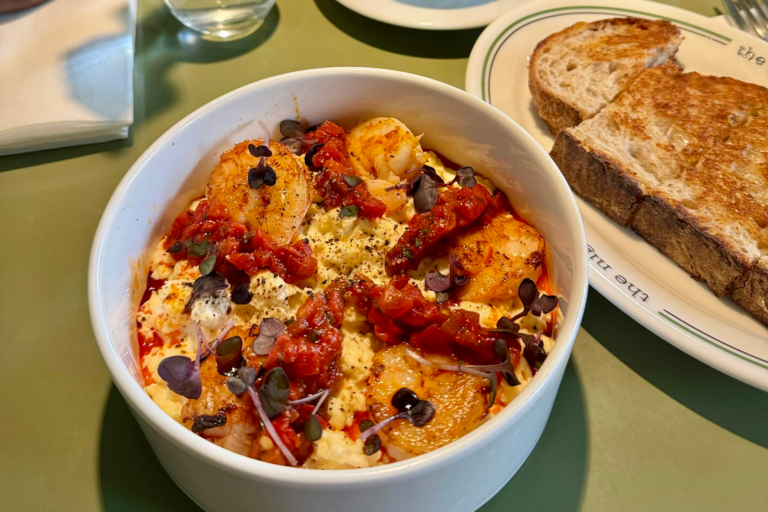
Goat cheese melts smoothly and adds a tangy flavor that pairs well with shrimp. Because it’s rich and tangy, a little goes a long way; many cooks mix it with a milder cheese.
Garlic Cheese Grits
Garlic cheese grits are a classic church-supper and holiday side, often baked into a casserole with eggs so they set up firm enough to slice. Cook a little garlic in the butter before adding it, or stir in roasted garlic with the cheese.
Shrimp and Cheese Grits
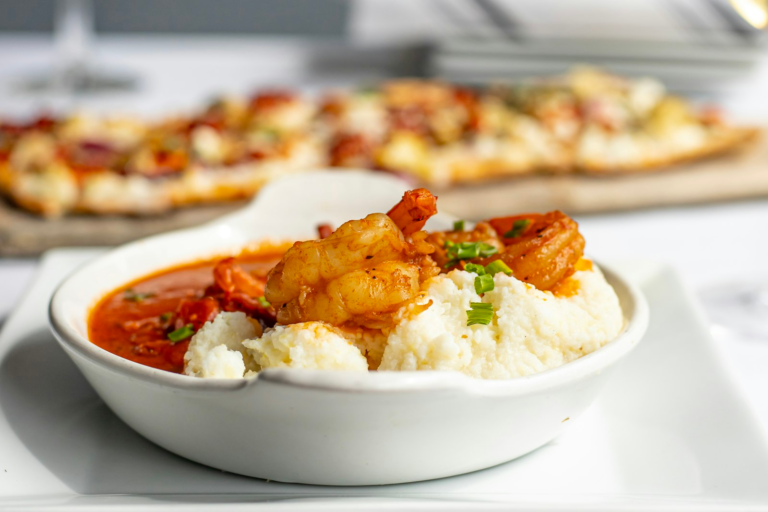
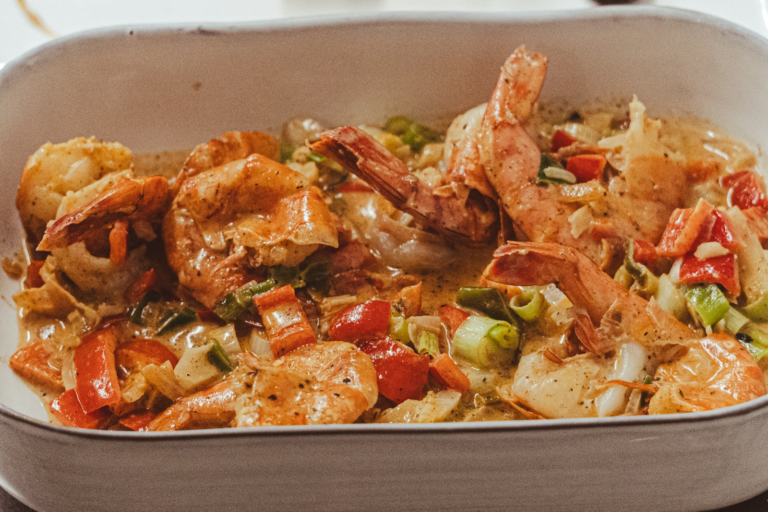
Plenty of shrimp and grits recipes use cheese grits as the base, usually with cheddar, Parmesan or Gouda. Others keep the grits plain so the shrimp and gravy stand out. Both are “right.” See our guide to shrimp and grits styles for how the versions differ, or start with what shrimp and grits is.
The Grits Matter as Much as the Cheese
Cheese can’t fix bland grits. Stone-ground grits have a coarser texture and much more corn flavor than quick or instant grits, so they make noticeably better cheese grits. They take longer to cook (often 30 minutes or more), but most of that time is just occasional stirring.
- Stone-ground: best flavor and texture; the top pick for cheese grits
- Regular or quick: fine for a weeknight; smoother and milder
- Instant: fast, but often pasty, and the cheese can’t make up for the missing flavor
We compared the main types and brands in The Best Grits to Buy.
Tips for Creamy Cheese Grits
- Take the pot off the heat before adding the cheese. Very high heat can make cheese turn oily or stringy.
- Add the cheese a handful at a time and stir until each handful melts.
- Cooking the grits in part milk or broth instead of all water makes them creamier and more flavorful.
- Grits thicken as they sit. Stir in a splash of hot water, milk or broth to loosen them before serving.
- Taste for salt after the cheese goes in; cheese adds a lot of its own.
Frequently Asked Questions
Are cheese grits the same as grits?
They start the same. Cheese grits are regular grits with cheese (and usually butter) stirred in at the end.
What is the difference between grits and polenta?
Both are ground corn cooked into a porridge. They’re usually made from different kinds of corn and ground differently, and polenta is the Italian name. In the kitchen they’re used in very similar ways.
Can you make cheese grits ahead?
Yes. They firm up in the fridge. Reheat them on the stove with a splash of liquid, stirring until creamy again, or bake them as a casserole.