What Are Grits? A Plain-English Guide to the Southern Staple
Grits are ground dried corn, simmered with water or milk into a thick, creamy porridge. If you grew up in the South, they’re as ordinary as toast. If you didn’t, they can be a mystery on a breakfast menu. Here’s what grits are made of, the different kinds, how people eat them, and how they compare to polenta and cornmeal.
What Are Grits Made Of?
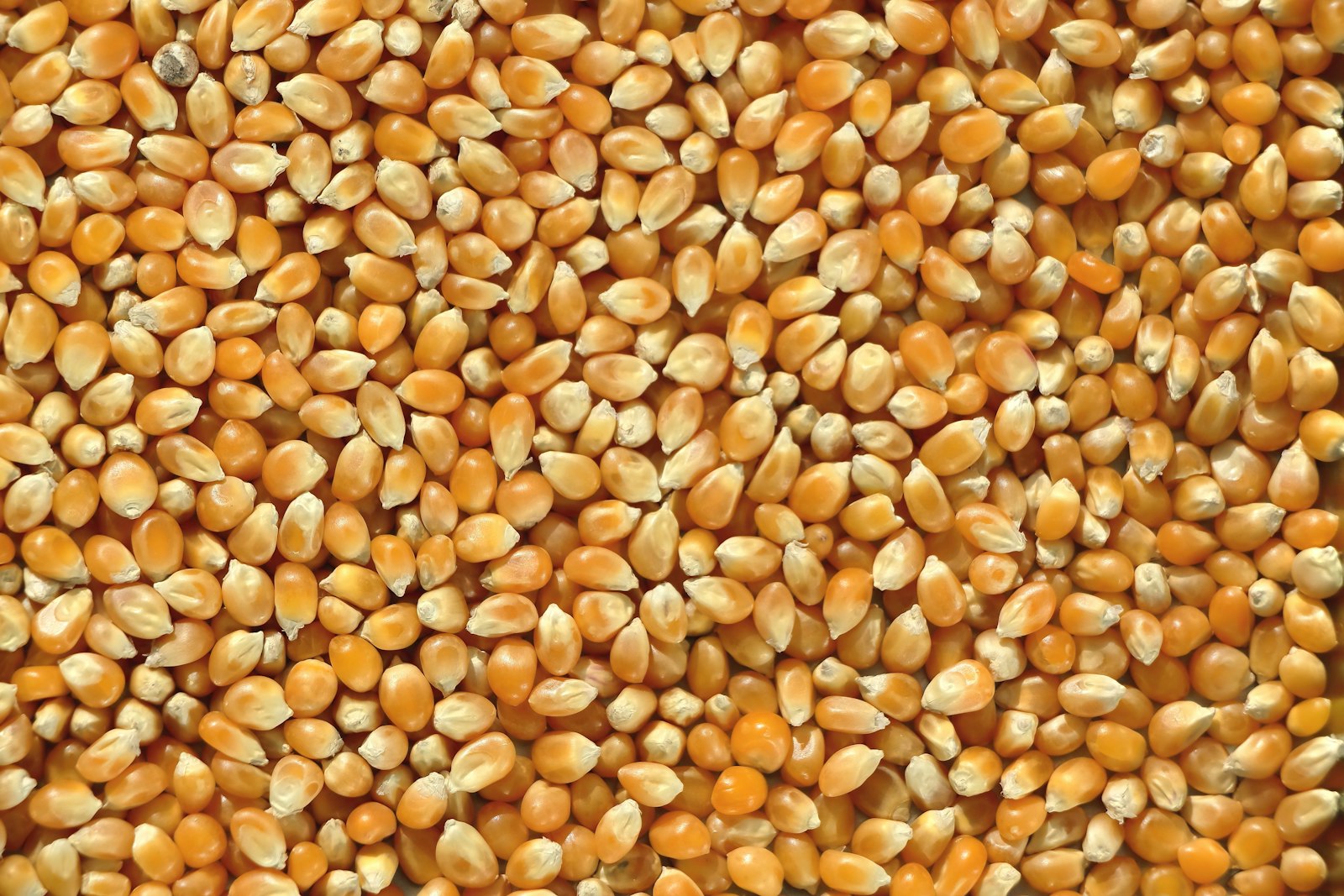
Grits are made from dried corn that’s been ground into coarse pieces. The corn is usually a starchy field corn (often called dent corn), not the sweet corn you eat on the cob. When the ground corn is cooked slowly in liquid, the starch softens and thickens it into a smooth, spoonable dish.
Some grits are made from hominy: corn that’s been soaked in an alkaline solution to loosen the hulls before it’s dried and ground. Those are sold as “hominy grits.” Others are simply ground from whole dried corn. Both are just called grits at the table.
Where Do Grits Come From?
Grinding corn and cooking it into porridge goes back to Native American cooking, long before European settlers arrived. Grits became a staple across the South because corn was cheap, kept well once dried, and filled people up. In the Lowcountry, rice and grits were both everyday foods, and in old Charleston the cooked dish was often simply called “hominy.” South Carolina still has a whole chapter of state law about cornmeal and grits.
Types of Grits
The biggest difference between grits is how coarsely they’re ground and how much they’re processed. That changes both the flavor and the cook time:
- Stone-ground: ground slowly between stones and usually coarse. Full corn flavor and a hearty texture. Takes the longest to cook, often 30 minutes or more. The favorite for shrimp and grits.
- Regular: a finer, more processed grind. Milder and smoother; cooks in roughly 15 to 20 minutes.
- Quick: ground finer still, so it cooks in about 5 minutes.
- Instant: precooked and dried, so you only add hot water. Convenient, but the texture can be pasty and the flavor is mild.
Cook times vary by brand, so follow the package. For a closer look at grinds and brands, see The Best Grits to Buy.
White Grits vs. Yellow Grits
White grits are made from white corn and yellow grits from yellow corn. White grits are traditional in much of the Lowcountry and taste a little milder; yellow grits have a slightly stronger, sweeter corn flavor. Either works in any grits dish.
What Do Grits Taste Like?
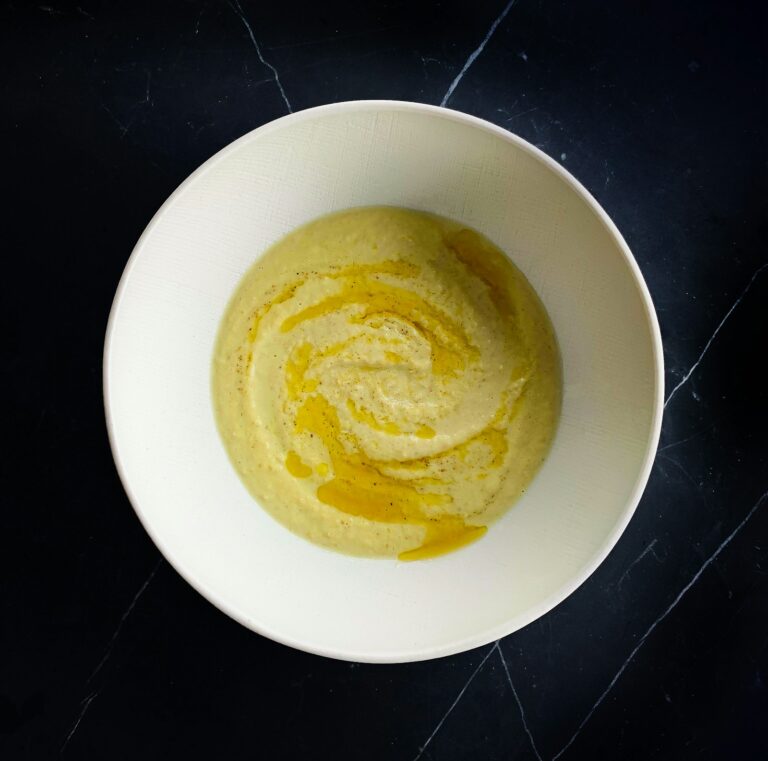
On their own, grits taste mildly of corn, a lot like the inside of a corn muffin, with a creamy, slightly coarse texture. They’re a blank canvas, which is why they’re almost always seasoned with salt and butter and often finished with cheese, gravy or seafood.
How Do People Eat Grits?
- Breakfast grits: with butter, salt and pepper, next to eggs, bacon or sausage.
- Cheese grits: with cheddar or another cheese stirred in. See Cheese Grits 101.
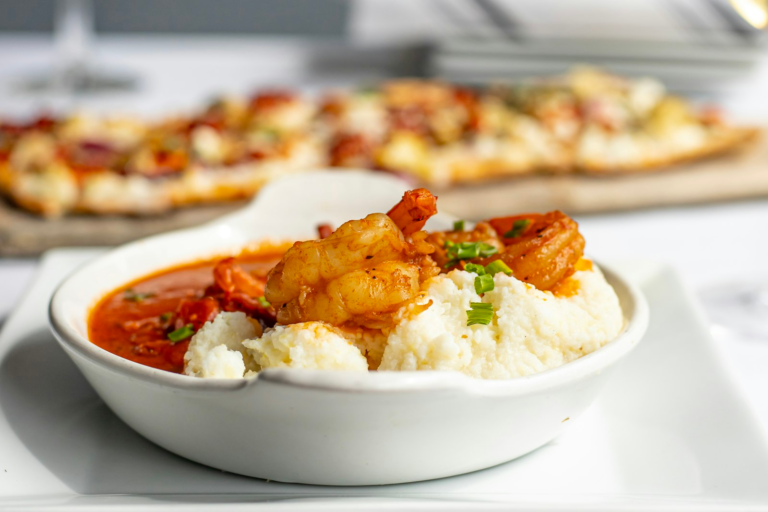
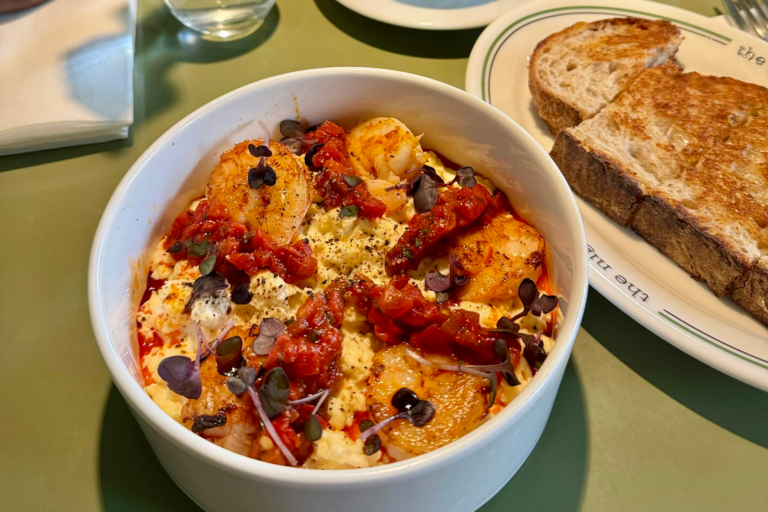
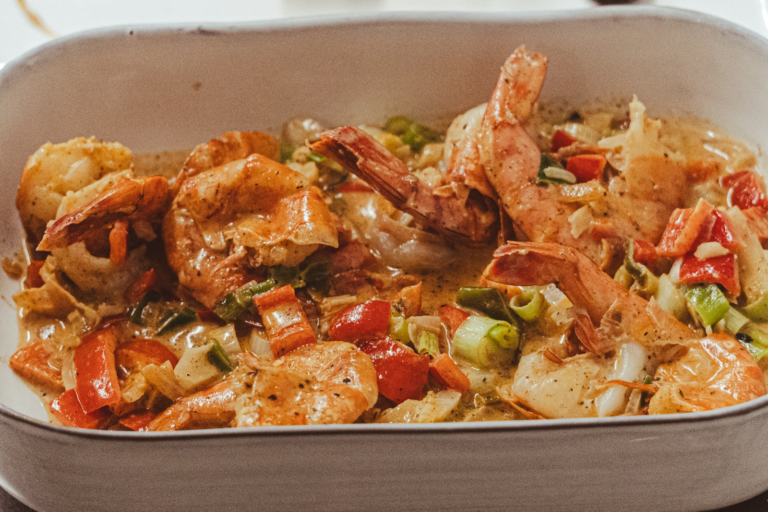
- Shrimp and grits: the Lowcountry classic, with shrimp and a savory sauce or gravy spooned over creamy grits. Start with What Is Shrimp and Grits?
- Grits casserole: baked with cheese and eggs until firm, a common holiday and potluck side.
- Fried grits cakes: leftover grits chilled in a pan, sliced and fried until crisp.
- Sweet grits: with butter and sugar or syrup. This divides people, but plenty of families grew up eating them this way.
Grits vs. Polenta vs. Cornmeal
| Grits | Polenta | Cornmeal | |
|---|---|---|---|
| What it is | Coarsely ground dried corn, sometimes hominy | Ground corn, the Italian dish of the same name | Finely ground dried corn |
| Usual corn | Often white dent corn | Usually yellow corn | White or yellow |
| Texture | Creamy, slightly coarse | Creamy or set firm and sliced | Fine, gritty flour |
| Main use | Southern porridge and side dish | Italian porridge and side dish | Cornbread, breading, baking |
Grits and polenta are close cousins and can often be swapped. Cornmeal is ground too fine for a good pot of grits.
Frequently Asked Questions
Are grits healthy?
Plain grits are a simple corn food, low in fat on their own. How healthy they are depends mostly on what goes in them: butter, cheese and cream add up quickly. Stone-ground grits keep more of the whole grain than instant.
Are grits gluten-free?
Corn is naturally gluten-free, so grits are too. If you need to avoid gluten strictly, look for a package labeled gluten-free, since some mills also process wheat.
Is it “grits is” or “grits are”?
Both are heard in the South. Most people say “grits are,” but asking for “a bowl of grits” is never wrong.
Do grits go bad?
Yes. Stone-ground grits contain more of the oily germ, so they can go stale or rancid. Keep them in the fridge or freezer. Instant and quick grits last longer in the pantry.