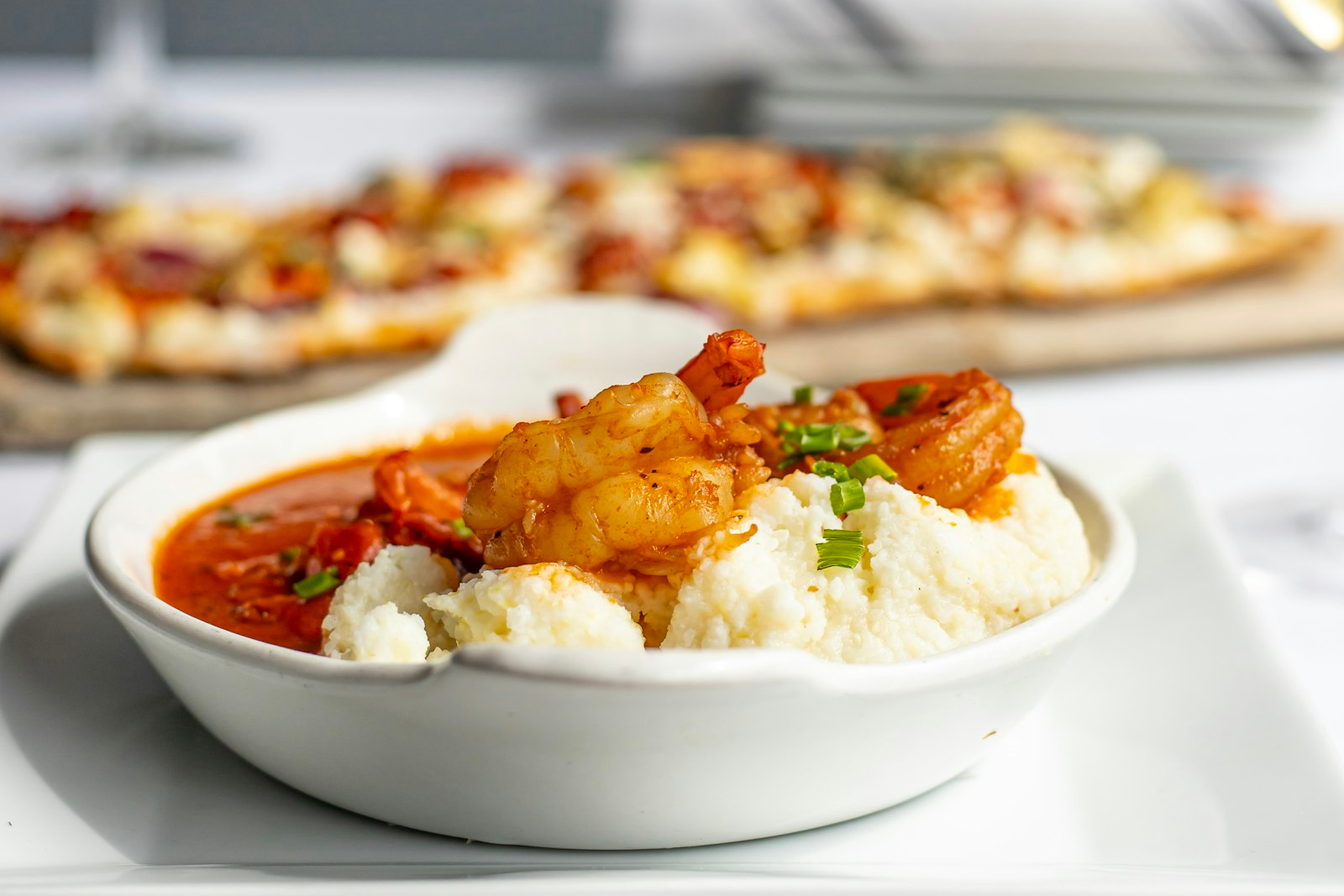
Best Grits to Buy: Stone-Ground vs. Quick vs. Instant
If you’ve only ever had instant grits from a packet, good stone-ground grits will taste like a completely different food. The type of grits you buy makes a huge difference to shrimp and grits, so here’s how the main kinds compare and what to look for.
The Main Types of Grits
| Type | How it’s made | Texture | Cook time |
|---|---|---|---|
| Stone-ground | Whole dried corn ground slowly between stones; often keeps the germ | Coarse, hearty, full corn flavor | About 20 to 45+ minutes |
| Regular | Finer, more processed grind | Smoother, milder | About 10 to 20 minutes |
| Quick | Ground finer still | Smooth | About 5 minutes |
| Instant | Precooked and dehydrated | Soft, can be pasty | 1 to 2 minutes (just add hot water) |
Cook times vary by brand and grind, so always check the package.
Stone-Ground Grits
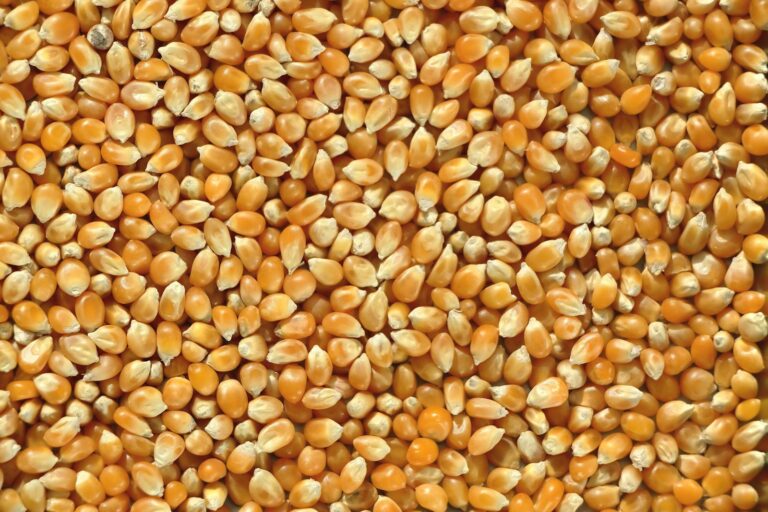
For shrimp and grits, stone-ground is the gold standard. The corn is ground slowly, which keeps more of its natural flavor, and the coarser texture holds up under a buttery shrimp topping. The trade-off is time: they need slow simmering and occasional stirring.
Because many stone-ground grits keep the oily germ of the corn, they can go stale or rancid faster than processed grits. Store them in the refrigerator or freezer.
Quick and Instant Grits
Quick and instant grits are more processed, so they cook fast but have less flavor and a softer, sometimes pasty texture. They’re fine for a fast weekday breakfast, but most Lowcountry cooks wouldn’t use them for shrimp and grits if they could help it. Quaker is the best-known brand of both.
White vs. Yellow Grits
- White grits: the traditional choice in the Lowcountry. Milder and slightly sweeter.
- Yellow grits: a bit more pronounced, buttery corn flavor and a golden color.
- Speckled grits: made from a mix of corn colors or with bits of the hull, giving a rustic look and texture.
Well-Known South Carolina Grits
South Carolina has some of the most respected grits producers in the country. A few names you’ll hear from Charleston cooks and chefs:
- Marsh Hen Mill (formerly Geechie Boy Mill), Edisto Island: small-batch, stone-ground grits made from heirloom corn on historic mills.
- Anson Mills, Columbia: known for heirloom grains and grits favored by many top chefs.
- Charleston Favorites, Charleston: stone-ground white grits in classic cloth bags, widely sold in local shops.
How to Cook Stone-Ground Grits
- Bring about 4 cups of water (or a mix of water and milk) to a boil for each cup of grits, with a good pinch of salt.
- Whisk in the grits slowly to avoid lumps.
- Lower the heat to a gentle simmer and cook, stirring every few minutes, until thick and tender, adding more liquid if needed.
- Finish with butter, and cheese or cream if you like.
Frequently Asked Questions
What are the best grits for shrimp and grits?
Stone-ground white or yellow grits. They have the best flavor and a texture that holds up to the shrimp and sauce.
Are hominy and grits the same thing?
In Charleston, “hominy” was the traditional word for cooked grits, so old recipes use the two interchangeably. Elsewhere, “hominy” usually refers to whole corn kernels treated with an alkaline solution, and “hominy grits” are grits made from that corn.
Do grits go bad?
Yes, especially stone-ground grits that contain the germ. Keep them in the fridge or freezer for the best flavor.